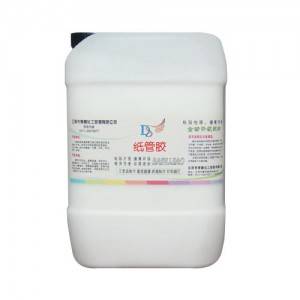
736 Wood Glue for Furniture Water-based Wood Adhesive Pvac Glue Adhesive for Veneering


Exceptional Bonding Strength: Provides excellent adhesion with high initial tack, ensuring the veneer stays flat and secure during pressing. It effectively prevents bubbling or blistering during the varnishing/painting process.
Versatile Application: Suitable for both cold pressing and hot pressing methods (using an iron or hot press machine). It works effectively with various facing materials, including natural wood veneers (as thin as 0.6mm) and decorative paper.
High Efficiency: Features a fast drying time, allowing for quicker project turnaround and improved production efficiency.


Q1: Is this adhesive environmentally friendly?
A: Yes. It is a water-based, non-toxic, and odorless adhesive. It does not contain harmful solvents or heavy metals. Most quality products comply with international environmental standards (such as EN204 or GB18583), making it safe for use in indoor furniture, kitchens, and children's products.
Q2: Why does my wood veneer bubble after pressing?
A: Bubbling is usually caused by one of the following:
- Incorrect Glue Application: Applying too much or too little glue. The recommended spread rate is typically 80–100 g/m².
- Air Entrapment: Not using a roller or scraper to remove air bubbles when hand-laying the veneer.
- Insufficient Pressure: The pressing time was too short, or the pressure was uneven.
- Wrong Assembly Time: If the glue dries too much before the veneer is applied (open time too long), it loses tack.
Q3: How long does it take for the glue to dry?
A: Drying time depends on the method used:
- Hot Pressing: Usually 30 to 180 seconds at 80°C – 120°C.
- Cold Pressing: Usually 45 to 90 minutes under pressure.
- Conditioning: It is recommended to stack the boards for 24 hours after pressing before cutting or sanding to allow the bond to reach full strength.
Q4: My glue has become chunky or separated. Can I still use it?
A: It depends.
- Liquid on top / Soft sediment: This is normal. Simply stir the glue thoroughly until it is homogeneous again.
- Lumpy like tofu / Curdled: This indicates the glue has frozen (demulsified). Once frozen, the chemical structure is destroyed, and the glue will lose its bonding strength. Do not use frozen glue.
Q5: What is the best temperature for using this glue?
A: The ideal working temperature is between 15°C and 35°C (59°F – 95°F) .
- Too Cold (Below 10°C / 50°F): The glue will thicken, become difficult to spread, and cure very slowly.
- Frost: The glue must never freeze during storage or transport.