



Choosing between water-based and solvent-based lamination adhesive can affect production efficiency, working conditions and the quality of the finished packaging. Neither system is automatically suitable for every factory or every laminated structure.
The right choice depends on the materials being bonded, the available equipment, production speed and the performance expected from the final package.
Understanding the practical differences between the two adhesive systems can help packaging manufacturers make a more informed decision.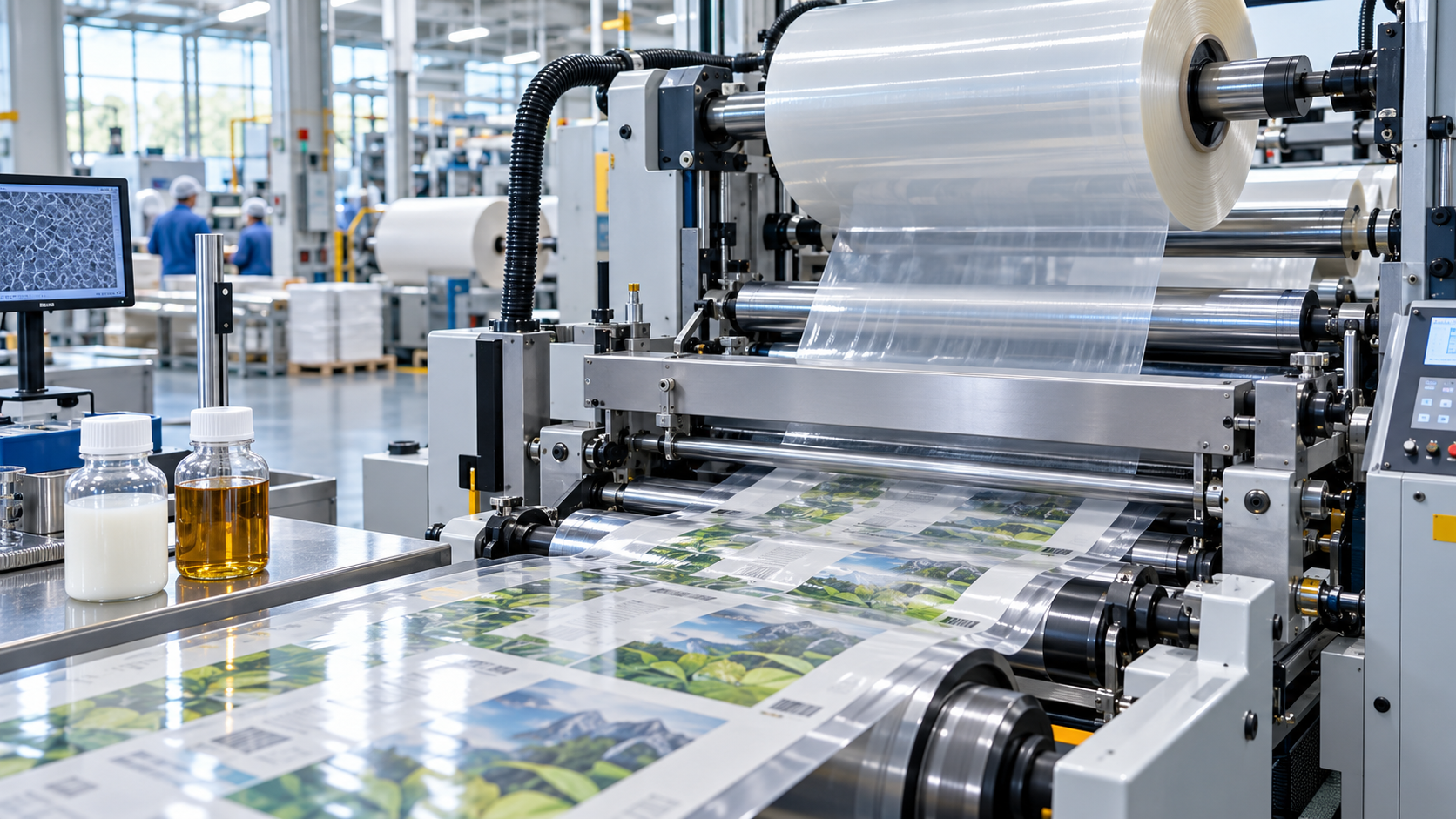
What Is Water-Based Lamination Adhesive?
Water-based lamination adhesive uses water as the main carrier. During the lamination process, the water evaporates and the adhesive forms a continuous bonding layer between the film and the printed or unprinted substrate.
These adhesives are commonly considered for applications such as laminating BOPP, PET or other suitable films to paper, paperboard and printed packaging materials. Exact compatibility varies according to the adhesive grade and surface treatment of the film.
A water-based product may be attractive to manufacturers seeking a cleaner working environment and simpler handling compared with conventional solvent-containing systems.
What Is Solvent-Based Lamination Adhesive?
Solvent-based adhesive uses an organic solvent to carry the adhesive components. The solvent must be removed through a controlled drying process before the laminated materials are combined or further processed.
These systems have long been used in packaging because they can offer strong performance across demanding material combinations. However, they normally require suitable ventilation, solvent-handling procedures and carefully controlled drying equipment.
Factories must consider not only adhesive performance but also the operational requirements associated with solvent use.
Differences in Production Environment
The production environment is one of the clearest differences between the two systems.
Water-based adhesives generally reduce the amount of organic solvent introduced into the workplace. This can simplify handling and help manufacturers improve working conditions. Nevertheless, normal chemical handling procedures and appropriate production controls are still required.
Solvent-based systems require equipment and procedures designed to control solvent vapor. Ventilation, fire prevention, operator protection and local regulatory requirements must all be considered.
For a factory without suitable solvent-management infrastructure, switching to or starting with a water-based system may be more practical.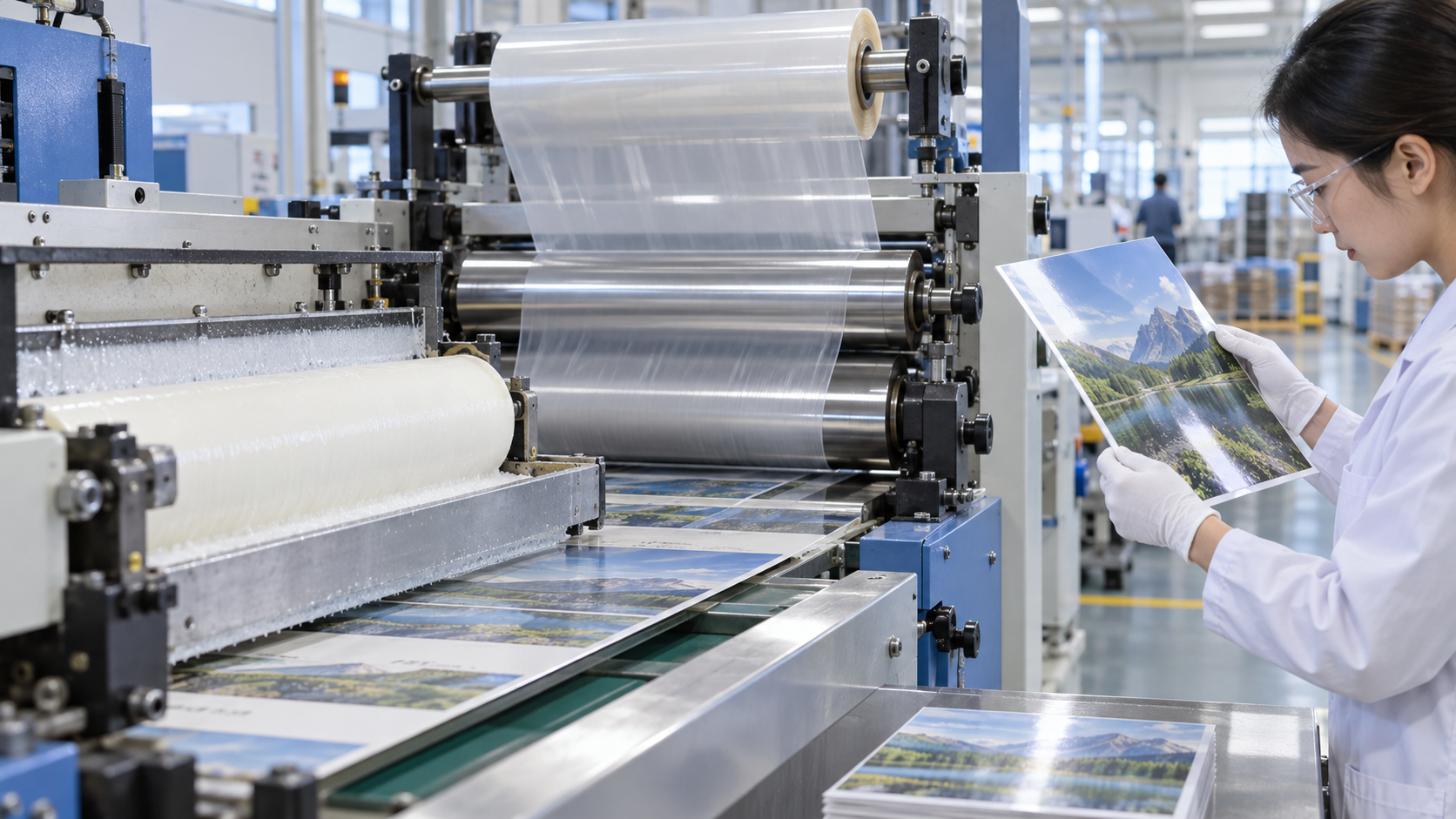
Drying Requirements
Both adhesive types require effective drying, but the drying behavior is different.
Water has a relatively high evaporation requirement, so a water-based adhesive needs sufficient oven capacity, airflow and temperature control. If water is not adequately removed, the laminate may develop poor initial bonding, a cloudy appearance or other quality problems.
Solvent-based adhesive also requires carefully controlled evaporation. Residual solvent, uneven coating or insufficient drying may affect the finished laminate.
Before selecting an adhesive, manufacturers should evaluate whether their existing machine can provide the required drying conditions at the desired production speed.
Substrate and Surface Compatibility
Packaging materials vary considerably in surface energy, absorbency, coating and print treatment.
Paper readily absorbs part of a water-based adhesive, while plastic films are generally non-absorbent. Films may require corona treatment or another surface-treatment process to provide reliable adhesion.
The supplier should be told the exact film type, paper or board grade, printed surface and lamination structure. It is not enough to say that the product will be used for “plastic film” because BOPP, PET, PVC and other materials may behave differently.
Printed samples should also be tested because inks and coatings can influence bond formation.
Production Speed and Initial Bond
High-speed lines often place greater demands on adhesive transfer, drying and initial bonding strength.
If the laminate is rewound, cut or processed shortly after production, adequate initial bond becomes especially important. A system that develops final strength successfully after curing may still be unsuitable if it cannot support the customer’s immediate downstream process.
Manufacturers should therefore communicate their coating method, line speed, oven configuration and required processing time when evaluating a new adhesive.
Finished Packaging Requirements
The final package determines the level of performance required.
Important questions include:
- Will the package be exposed to moisture?
- Does it need heat resistance?
- Will it be folded, creased or die-cut?
- Is high transparency important?
- How soon after lamination will it be processed?
- What storage and transportation conditions are expected?
A decorative paper package and a demanding flexible packaging structure should not be evaluated according to the same criteria.
Which Adhesive Should You Choose?
Water-based lamination adhesive may be a strong option when the substrates, machine and drying system are compatible and the manufacturer wants to reduce reliance on solvents.
Solvent-based systems may remain appropriate for certain demanding structures or existing production lines designed around their processing characteristics.
The safest approach is to test the adhesive with the actual film, printed material and equipment. Trial results should be evaluated for coating behavior, appearance, initial bond, final bond and downstream processing performance.
Desay Chemical provides water-based lamination adhesives for packaging and printing applications. Send us your substrate combination, machine conditions, production speed and performance requirements to receive a more accurate product recommendation.
Post time: Sep-07-2026