



Bulk white slime glue is purchased by importers, distributors, educational-product suppliers and DIY brands for resale or use as a raw material in slime-making kits. A successful sourcing project requires more than choosing a container size and comparing quotations.
The buyer must evaluate the glue itself, its behavior with the intended formulation, packaging compatibility and the documentation required in the destination market. Desay Chemical lists A20 as a water-based white glue made with polyvinyl alcohol as a principal raw material and markets it for slime and school-glue applications. Current packaging options and product details should be confirmed when requesting a quotation. 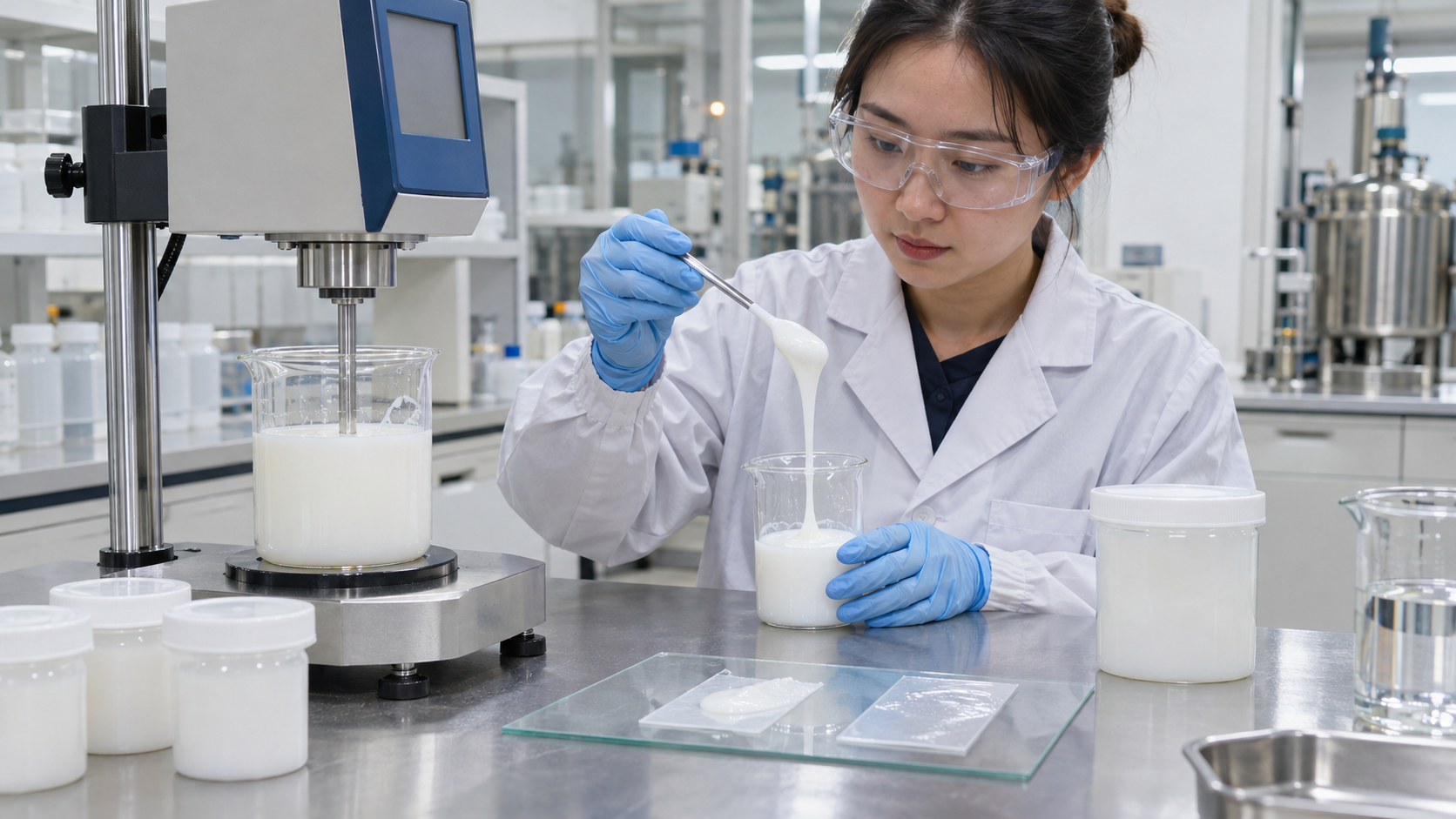
Define the Product You Intend to Sell
First, clarify whether the glue will be sold as a standalone craft adhesive, included in a slime kit or supplied in larger containers to workshops and distributors. Each route creates different requirements for filling, labeling and customer instructions.
The target market should also be identified at the beginning. Regulations, labeling rules, language requirements and documentation expectations vary by country and sales channel.
Avoid using claims such as “non-toxic,” “child-safe” or compliance with a particular standard unless the supplier can provide applicable, current documentation for the exact grade and the claim is permitted in the destination market.
Request Representative Samples
A small sample is useful only when it represents the proposed production grade. Record the sample batch, manufacturing date and storage condition so that results can later be compared with commercial deliveries.
Evaluate the glue in its supplied state before adding activators, pigments or decorative materials. Initial checks may include:
- Visual uniformity and color
- Presence of lumps, skin or separation
- Pouring and dispensing behavior
- Odor under the intended use conditions
- Ease of transfer into smaller packaging
- Residue around caps and dispensing closures
Numerical acceptance limits should come from an agreed specification or the current technical data sheet—not from assumptions based on appearance.
Test the Intended Slime Formulation
The behavior of finished slime depends on the complete formulation. Activator chemistry, addition rate, water, pigments, fragrances, foam beads and other ingredients can all change texture and stability.
For that reason, compare glue samples using the same controlled recipe and mixing procedure. Change only one variable at a time. Record ingredient quantities, mixing sequence, temperature and evaluation time.
The glue supplier should not be expected to guarantee a finished slime result when the buyer uses an undisclosed or changing activator system. Provide relevant formulation information, subject to confidentiality requirements, when requesting compatibility support.
Separate Glue Quality From Finished Slime Performance
If a batch produces a different texture, first check whether the glue, activator or mixing procedure changed. Finished slime may also evolve during storage, especially when colorants, fragrances or particulate additives are present.
Test the packaged finished product under the conditions expected during warehousing and distribution. Assessments should be based on the buyer’s acceptance criteria and the regulatory requirements of the sales market.
This distinction is important: A20 is the glue component supplied for slime-making applications, not a finished, ready-to-use slime product.
Plan Packaging and Filling
Packaging decisions affect both logistics and customer experience. Buyers may need retail bottles, one-gallon containers or larger bulk formats for repacking. Confirm available sizes, minimum order quantities, closure types and private-label options directly with the supplier.
Run a filling trial before approving packaging. Check whether the glue transfers cleanly through the intended pump or nozzle and whether the container can be filled without excessive foaming or residue.
The cap, liner and bottle material should remain compatible with the glue throughout the intended shelf and transport period. Packaging artwork must leave space for required warnings, identification and traceability information.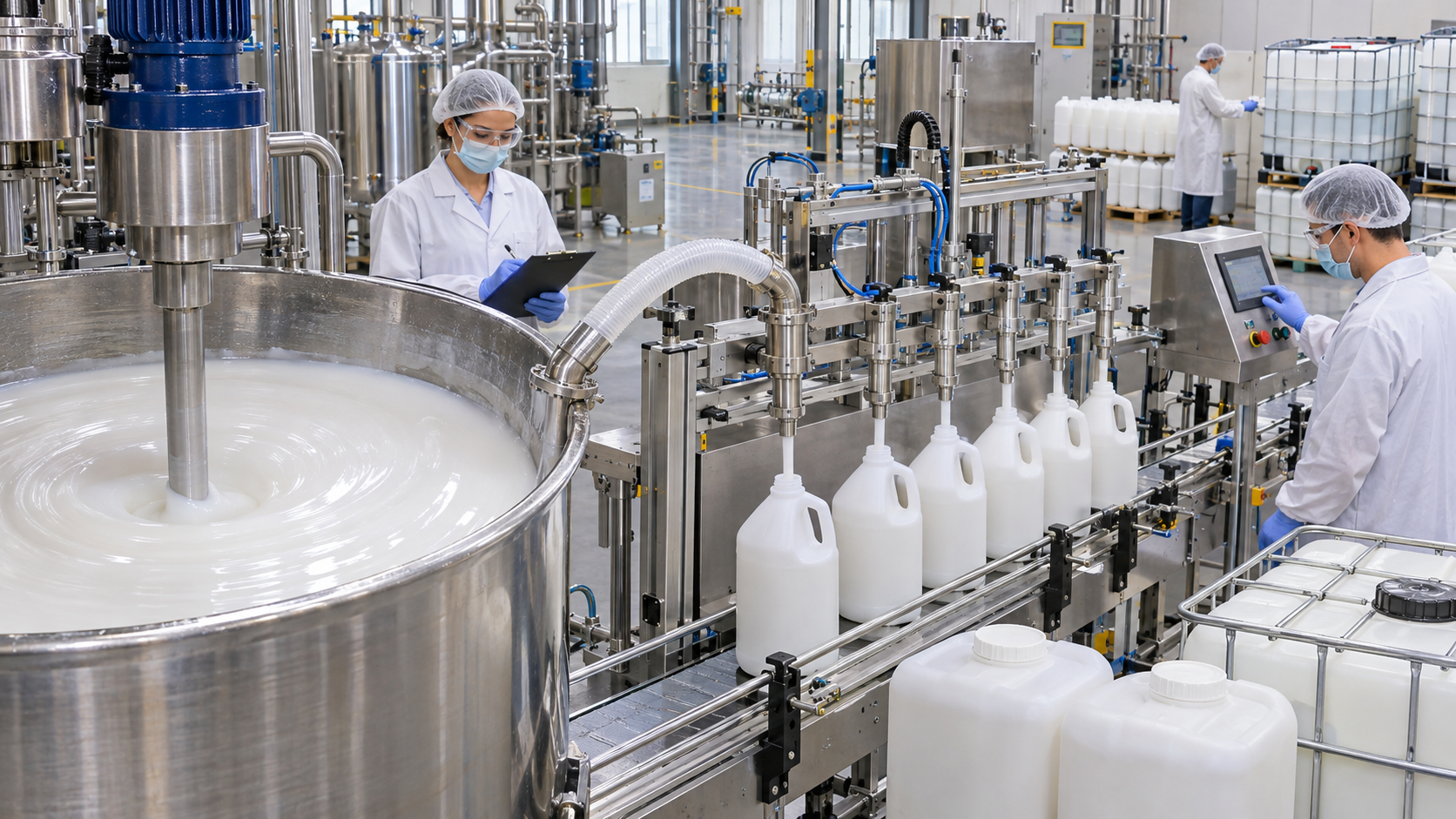
Review Documentation and Batch Control
Before placing a commercial order, request the documents needed for import, handling and local sale. The exact list depends on the product, destination and customer channel.
Agree on how batches will be identified and which incoming checks the buyer will perform. Retain a reference sample from approved deliveries where practical. If private-label packaging is required, approve the container, artwork and production sample before mass filling.
Any requested specifications, certifications or test results should be tied to the exact product grade rather than presented as general company-wide claims.
Post time: Nov-17-2026