



In a polymer-modified waterproof coating, the emulsion is not simply another liquid ingredient. It influences film formation, cement compatibility, application behavior and the performance balance of the finished system.
For procurement teams, comparing VAE emulsions by price or solids content alone can be misleading. A candidate material must be tested inside the complete formulation, with the intended cement, fillers, additives and application method.
Desay Chemical describes GW-907 as a low-viscosity vinyl acetate-ethylene copolymer emulsion developed for water-based adhesives, waterproof coatings and cement modification. Its published product information also identifies applications in construction coatings and other industrial materials.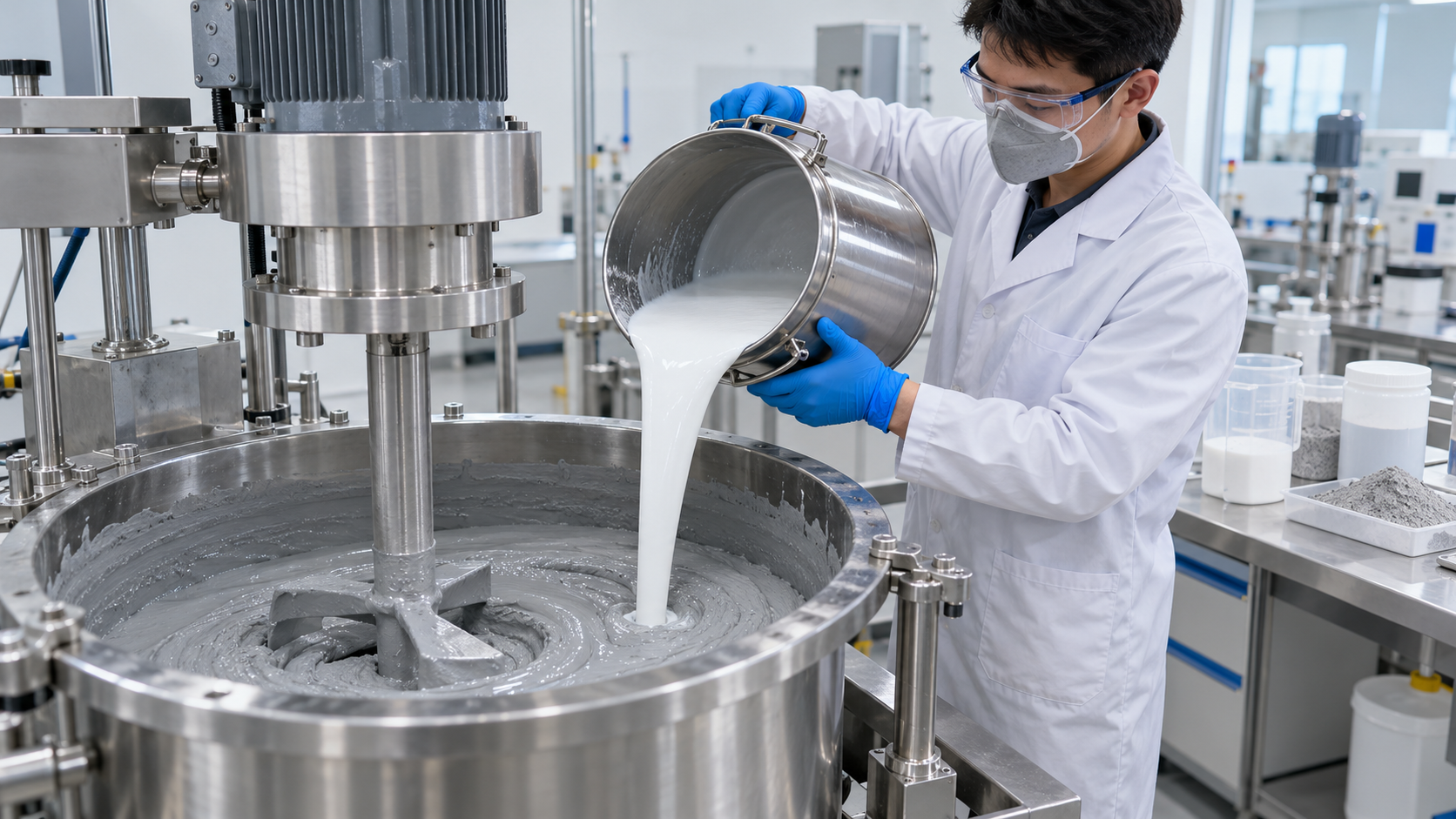
Start with the Finished Coating Requirement
Before selecting a binder, define the waterproofing system. Important distinctions include:
- One-component or multi-component formulation
- Cementitious or non-cementitious system
- Brush, roller, trowel or spray application
- Horizontal or vertical substrate
- Indoor or outdoor exposure
- Required coating thickness
- Flexible or relatively rigid construction
- Intended substrate, such as concrete, mortar or masonry
The acceptance criteria should be tied to the market where the coating will be sold. Applicable test methods and regulatory requirements may vary by country.
Review the Emulsion Specification
Useful screening data may include solids content, viscosity, pH, minimum film-forming temperature and storage requirements. These values affect handling and formulation, but none independently proves that the finished coating will meet its target performance.
Desay’s current GW-907 page publishes values for these properties and describes the grade as formulated without APEO and OPEO. Buyers should request the latest technical data sheet, safety data sheet and batch specification before making purchasing decisions.
If a project requires a specific restricted-substance declaration or third-party certification, request the relevant current document rather than relying on a general webpage statement.
Check Cement and Additive Compatibility
A waterproof coating may contain cement, graded fillers, defoamers, dispersants, thickeners, preservatives and other functional additives. Changes in any of these materials can affect viscosity, stability and application behavior.
Introduce a new emulsion through controlled laboratory batches. Observe:
- Ease of mixing
- Foam generation and release
- Changes in viscosity over time
- Sedimentation or separation
- Working time
- Trowel or brush drag
- Sagging on vertical surfaces
- Surface defects after drying
Use the same mixing sequence and equipment for every comparison. Otherwise, processing differences may be mistaken for raw-material differences.
Evaluate Film Formation Under Realistic Conditions
Temperature, humidity, substrate absorption and coating thickness all influence drying. A laboratory film on a smooth nonporous panel may behave differently from a coating applied to cement mortar.
Prepare test panels using the normal substrate preparation procedure. Apply the intended number of coats at the target coverage and allow the system to cure under defined conditions.
Desay describes GW-907 as forming a transparent film with flexibility, elasticity, water resistance and anti-blocking characteristics after drying. These are attributes of the emulsion; the finished waterproof coating must still be validated separately.
Test the Complete Formulation
Performance claims should be based on the finished formulation, not on binder literature alone. Depending on the target market, the evaluation program may include adhesion, water resistance, crack-bridging behavior, tensile properties, water absorption or resistance to hydrostatic pressure.
Use the required official test method and agreed acceptance criteria. Samples from different suppliers should have the same substrate, thickness, conditioning period and test environment.
A formulation adjustment may be necessary when changing emulsion suppliers. Avoid direct substitution in commercial production without laboratory and pilot-scale validation.
Assess Storage and Scale-Up
Monitor laboratory samples for viscosity drift, separation, odor changes and skin formation over an appropriate period. Then conduct a pilot batch using production mixing equipment.
Confirm the recommended storage temperature, packaging, shelf life and freeze protection from the proposed grade’s current documentation. Container size and transport conditions should also be included in the purchasing review.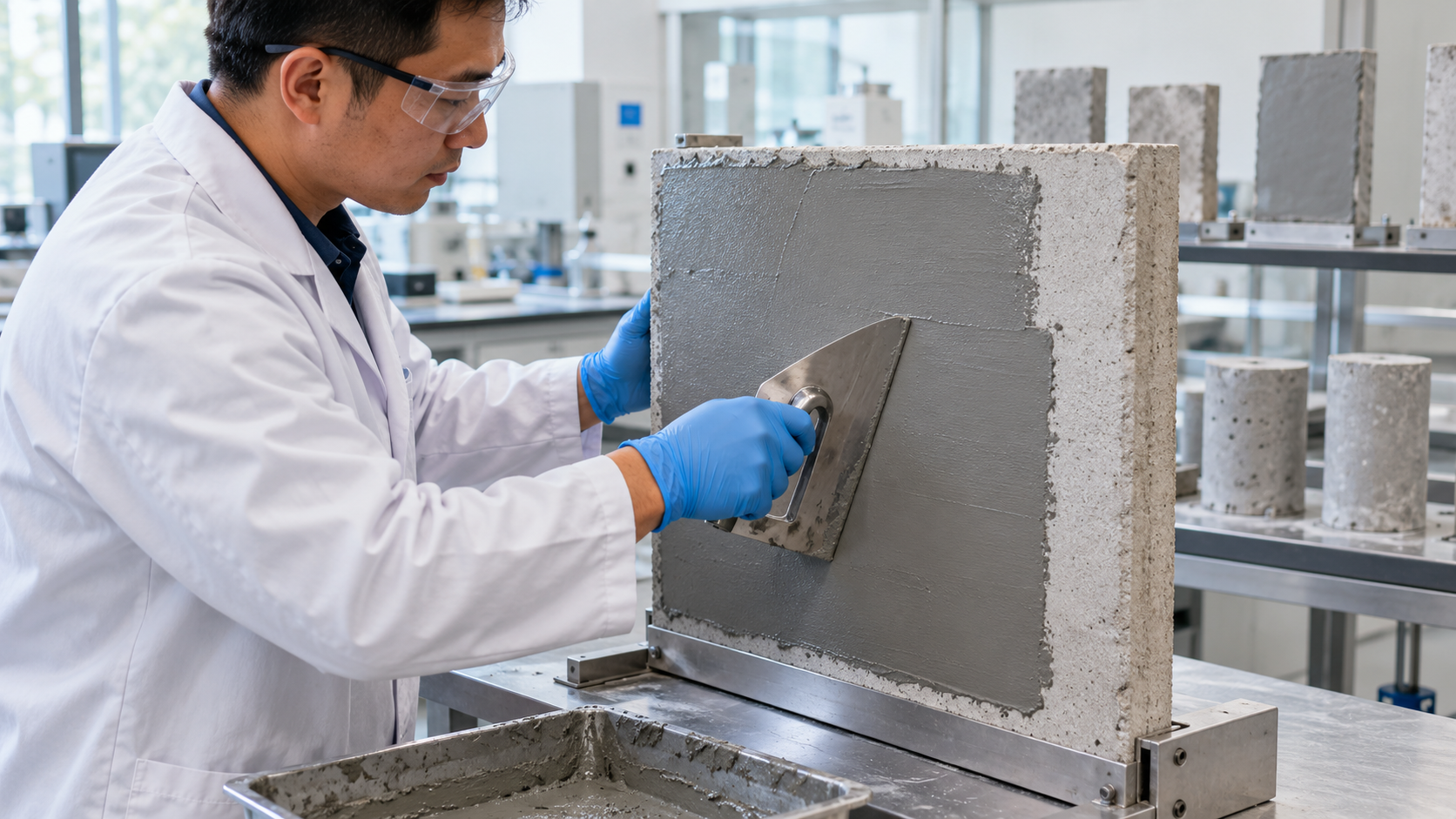
Information to Provide the Supplier
Send the supplier the complete application description, formulation type, cement and filler system, additive package, mixing procedure, test standards and target market.
Where confidentiality prevents disclosure of the full formula, provide representative test mixtures and clearly describe the observed problem. This allows the supplier to recommend a candidate more accurately without inventing performance expectations.
Post time: Nov-17-2026